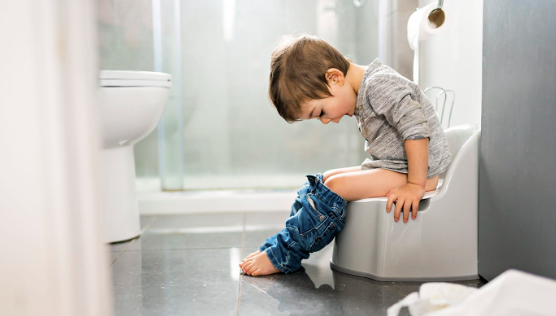
Toilet training represents a significant developmental milestone in toddler life and a major achievement for families. Successfully transitioning from nappies to independent toilet use requires patience, consistency, and understanding of child development stages. Every child develops readiness at their own pace, and approaching training with flexibility and encouragement supports positive outcomes.
Timing significantly influences toilet training success, with most children showing readiness between eighteen months and three years old. Starting before children show physical and emotional readiness typically results in frustration and extended training periods. Recognising individual readiness signs ensures training efforts align with developmental capabilities.
Signs of toilet training readiness
Physical readiness includes staying dry for extended periods, showing interest in bathroom activities, and communicating toilet needs verbally or through gestures. Children demonstrating regular bowel patterns and staying dry during naps show muscular development supporting toilet training. These physical signs indicate developing bladder and bowel control essential for success.


Emotional readiness involves children expressing desire for independence and showing willingness to cooperate with new routines. Children interested in watching adults use bathrooms or interested in their own bodily functions demonstrate cognitive development supporting training. Communicative children able to follow simple instructions respond better to training approaches.
Children showing independence in other areas, expressing preferences, and demonstrating increased self-awareness typically respond better to toilet training. Willingness to sit on toilets or potties and genuine interest in the process indicate readiness for training. Children resisting bathroom routines strongly may benefit from waiting longer before commencing formal training.
Step-by-step toilet training approach
Implementing effective toilet training requires following evidence-based approaches and seeking professional resources when needed. Organisations providing guidance and expert advice help parents navigate this transition confidently. Accessing professional support including paediatrician recommendations and specialist resources ensures you have appropriate strategies.
Preparing for toilet training involves purchasing necessary equipment including potties, step stools, and child-sized toilet seats. Allow children to explore these items without pressure and observe bathroom routines. Reading age-appropriate books about toilet training helps normalise the process and builds familiarity with concepts before active training begins.
Establishing consistent bathroom routines helps children develop regular toilet habits and predictable patterns. Sitting on potties or toilets after meals, before bedtime, and at regular intervals throughout the day supports successful habit development. Consistency across caregivers and settings reinforces routines and prevents confusion about expectations.
Using positive reinforcement including praise, rewards, and celebration encourages continued toilet use and builds confidence. Avoiding punishment, shame, or negative responses prevents anxiety around toileting and maintains positive associations. Celebrating successes however small reinforces learning and motivates children to continue developing independent toilet habits.
Dressing children in easily removable clothing supports quick toilet access and successful training. Avoiding complicated clothing like overalls or dungarees prevents accidents and frustration. Accessible clothing empowers children to communicate and access toilets independently as they develop skills.
See also: Modern Athletic Safety Shoes: Built for Active Workdays
Handling setbacks and challenges
Accidents and setbacks are completely normal during toilet training and should be expected rather than considered failures. Children sometimes regress during stressful periods, transitions, or when starting childcare. Understanding that setbacks represent normal development rather than misbehaviour helps parents respond with patience and encouragement supporting continued progress.
Responding calmly to accidents without shame or anger maintains positive associations with toileting. Cleaning accidents matter-of-factly and reassuring children that mistakes are learning opportunities supports confidence development. Consistent, calm responses help children understand that accidents are normal parts of learning without developing anxiety.
Children resisting toilet training may benefit from taking a break and recommencing later when readiness improves. Forcing training when children show resistance creates negative associations and prolonged difficulties. Patience and flexibility allowing children to progress at their own pace typically result in faster ultimate success.
Creating positive bathroom environments with fun decorations and engaging activities helps normalise toileting routines. Decorative elements like lolly walls in Perth style designs can brighten spaces and make bathrooms inviting for young children. Pleasant environments support positive associations and encourage children’s interest in using facilities.
Night-time training considerations
Night-time dryness develops gradually and independently from daytime toilet training with most children achieving dryness between three and five years. Biological factors including antidiuretic hormone production control night-time dryness rather than training alone. Starting night-time training before children demonstrate readiness typically results in frustration without results.
Once children show signs of waking dry and expressing readiness, introducing night-time training gradually supports success. Limiting drinks before bedtime, using waterproof mattress protectors, and maintaining positive attitudes help. Using night-time pull-ups without shame helps children transition gradually to full night-time dryness without pressure.
Night-time accidents are completely normal and require patience from caregivers understanding biological development. Avoiding punishment or shaming for night-time accidents maintains emotional security and positive self-image. Most children eventually achieve consistent night-time dryness without intensive intervention.
Building independence and confidence
Supporting children to complete toileting tasks independently including wiping, flushing, and handwashing builds confidence and self-care skills. Teaching proper handwashing after toileting promotes hygiene and healthy habits extending throughout life. Gradually transferring responsibilities supports children’s development of independent self-care routines.
Helping children adapt to public toilets including different heights and automatic features supports confidence in various environments. Portable potty seats, step stools, and practice visits familiarise children with variations. Explaining differences matter-of-factly and practising beforehand reduces anxiety about toileting in unfamiliar places.
Celebrating toilet training achievements including first successful use, staying dry through days, and night-time dryness reinforces progress. Age-appropriate celebrations and recognition from family members boost confidence and motivation. Acknowledging achievements demonstrates genuine support for children’s developing independence and self-care capabilities.
Children with developmental differences, disabilities, or sensory sensitivities may require modified toilet training approaches. Consulting specialists including occupational therapists and developmental paediatricians ensures personalised strategies. Individualised approaches accommodate specific needs and support successful outcomes for all children.
Toilet training represents a significant developmental milestone requiring patience, consistency, and individualised approaches respecting each child’s readiness. Understanding developmental stages, responding positively to setbacks, and celebrating successes support successful transitions. With appropriate support and flexibility, most children achieve independent toileting skills supporting their growing independence and self-care.
Recognising developmental delays or concerns about toilet training progress should prompt consultation with paediatricians or child health professionals. Professional guidance helps distinguish typical developmental variations from genuine concerns requiring intervention. Early identification and appropriate support address issues effectively before they become ingrained patterns.