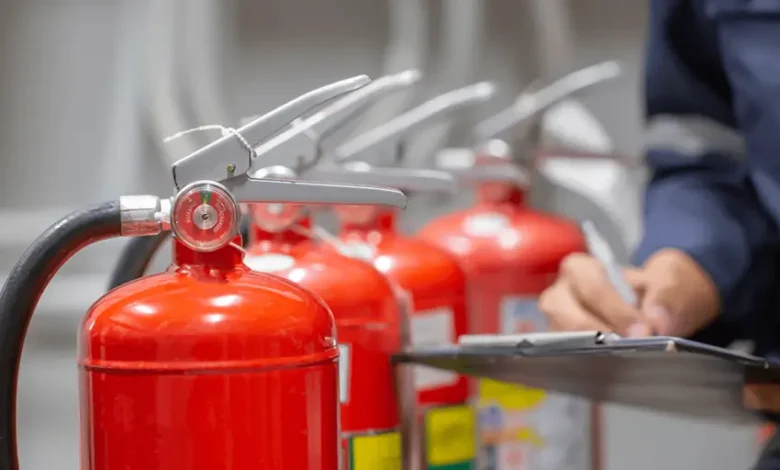
Fire risk assessment is a fundamental component of workplace safety management. It helps organizations identify potential fire hazards, evaluate risks, and implement measures to protect employees, visitors, and property. In modern workplaces, where operations and environments are constantly evolving, fire risk assessment plays a vital role in preventing fire incidents and ensuring a safe working environment.
Understanding Fire Risk Assessment in the Workplace
A fire risk assessment is a systematic process that examines workplace conditions to identify fire hazards and assess the likelihood and impact of fire incidents. It considers factors such as ignition sources, combustible materials, occupancy levels, and existing fire safety measures.
By understanding how fire risks arise and interact within a workplace, organizations can take informed actions to reduce hazards and improve overall safety performance.


Protecting Employees and Occupants
The primary importance of fire risk assessment lies in protecting people. Workplaces often accommodate employees with varying levels of awareness and mobility, as well as visitors who may be unfamiliar with the building layout.
Fire risk assessment ensures that escape routes are safe, alarms are effective, and evacuation procedures are clear. Special consideration can be given to individuals who may require assistance during emergencies, reducing the risk of injury or loss of life.
Preventing Fire Incidents
Fire risk assessment is a proactive approach to fire prevention. By identifying ignition sources such as faulty electrical equipment, unsafe storage practices, or hazardous processes, organizations can eliminate or control risks before fires occur.
Preventive measures such as equipment maintenance, safe working procedures, and housekeeping standards significantly reduce the likelihood of fire incidents and workplace disruptions.
Legal Compliance and Regulatory Requirements
Fire safety legislation requires employers and responsible persons to carry out fire risk assessments and maintain suitable fire safety arrangements. Failure to comply can result in enforcement action, fines, or prosecution.
Conducting regular fire risk assessments demonstrates compliance with legal requirements and shows that the organization takes its duty of care seriously. Proper documentation also provides evidence during inspections or audits.
See also: Modern Athletic Safety Shoes: Built for Active Workdays
Reducing Property Damage and Business Loss
Fires can cause extensive damage to buildings, equipment, and stock, leading to costly repairs and operational downtime. Fire risk assessment helps minimize these risks by ensuring early detection, effective containment, and prompt response.
By reducing the likelihood and impact of fires, organizations protect their assets and maintain business continuity, avoiding financial losses and reputational damage.
Improving Emergency Preparedness
Fire risk assessment supports effective emergency planning. It helps organizations develop clear procedures for raising alarms, evacuating occupants, and coordinating emergency response.
Regular fire drills and training, guided by the assessment, ensure that employees know what to do during a fire emergency. Improved preparedness reduces panic and confusion, leading to safer and faster evacuations.
Supporting a Positive Safety Culture
A workplace that prioritizes fire risk assessment demonstrates a commitment to employee safety and wellbeing. This approach helps build trust and encourages staff to engage in safety practices.
When employees understand fire risks and their role in preventing incidents, they are more likely to report hazards and follow safety procedures. A strong safety culture contributes to overall workplace health and safety performance.
Adapting to Workplace Changes
Workplaces are dynamic environments where changes occur frequently. New equipment, layout modifications, increased staffing, or changes in processes can introduce new fire risks.
Regular fire risk assessments help organizations adapt to these changes by identifying emerging hazards and updating control measures accordingly. This ensures that fire safety arrangements remain effective over time.
Enhancing Insurance and Stakeholder Confidence
Insurers and stakeholders often require evidence of effective fire risk management. A well-documented fire risk assessment demonstrates that the organization actively manages fire safety risks.
This can lead to improved insurance terms, reduced premiums, and increased confidence among clients, partners, and regulatory bodies.
Conclusion
The importance of fire risk assessment in workplace safety cannot be overstated. It protects lives, ensures legal compliance, prevents fire incidents, and supports business continuity. By conducting regular fire risk assessments and acting on their findings, organizations create safer workplaces and foster a culture of responsibility and preparedness. Fire risk assessment is not just a legal obligation but a critical investment in workplace safety and resilience.