Que es entrenamiento deportivo: 15 Powerful Insights to Understand Athletic Training in 2025

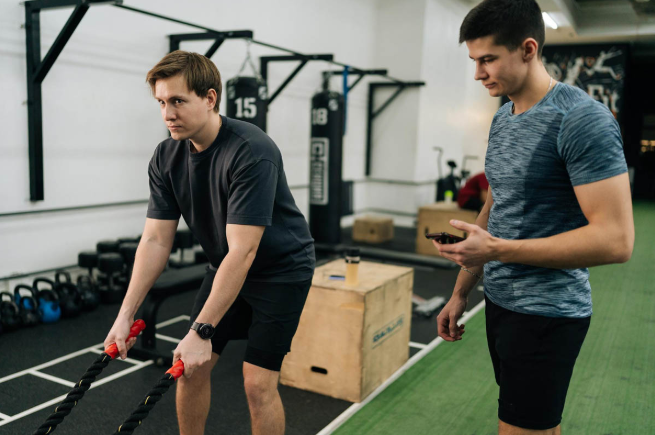
Athletes at every level — from beginners to world champions — rely on structured training systems to develop strength, endurance, coordination, and performance. The term que es entrenamiento deportivo refers to the science-based process of training athletes to reach their highest potential through planned, progressive, and purposeful exercise.
In 2025, athletic training has become more advanced than ever, combining biomechanics, physiology, psychology, and technology to produce smarter, stronger, and faster athletes. This guide will help you understand que es entrenamiento deportivo, how it works, and how to apply it effectively.
What Does que es entrenamiento deportivo Mean?
In simple terms, que es entrenamiento deportivo describes the organized and systematic training process that athletes follow to improve performance in a specific sport. It includes strength work, conditioning, skill development, recovery cycles, and mental preparation — all structured to build long-term athletic growth.


Origins & Evolution of Athletic Training
Athletic training began centuries ago, but modern sports science transformed it by introducing:
- Periodized training cycles
- Scientific load management
- Recovery monitoring
- Advanced performance analytics
Today, training is more personalized and data-driven than ever.
See also: How Snow Retention Impacts Winter Home Maintenance
Why Athletic Training Matters Today
With increasing competition and rising athletic standards, a structured training plan is essential for:
- Avoiding injury
- Improving performance
- Increasing strength and endurance
- Building discipline and consistency
Core Principles Behind que es entrenamiento deportivo
Every effective athletic program is based on scientific principles that guide how and when athletes should train.
Specificity
Training must match the sport’s demands. A swimmer trains differently from a cyclist, and a sprinter trains differently from a marathon runner.
Adaptation & Overload
To improve, the body must be challenged progressively through increased:
- Weight
- Speed
- Duration
- Intensity
Individualization
Every athlete is unique. Age, genetics, experience, and goals all affect how training should be structured.
Recovery & Periodization
Rest is a key part of progress. Periodization divides training into cycles to optimize performance and prevent overtraining.
Different Types of entrenamiento deportivo
Strength Training
Builds muscle mass, increases joint stability, and enhances power for sports like football, basketball, and sprinting.
Endurance Training
Improves cardiovascular capacity, lung efficiency, and stamina for sports like cycling, swimming, and running.
Flexibility & Mobility Training
Enhances joint range of motion and reduces injury risk — essential for gymnasts, dancers, and martial artists.
Speed, Agility & Power Training
Includes explosive movements like plyometrics, sprints, and reaction drills for field and court sports.
Sport-Specific Training
Focuses on the exact skills, drills, and physical demands of a particular sport.
The Science Behind Effective entrenamiento deportivo
Muscle Adaptation & Hypertrophy
Strength training stimulates muscle fibers, leading to growth and improved power.
Energy Systems in Training
Different sports rely on different energy pathways:
- Aerobic system: endurance activities
- Anaerobic system: high-intensity bursts
- ATP-PC system: explosive power
Neuromuscular Development
Athletes improve coordination, reaction time, and muscle activation through targeted exercises.
How to Build a Complete Athletic Training Plan
1. Set Clear Goals
Define whether the athlete aims to:
- Increase speed
- Improve endurance
- Build strength
- Enhance performance for a specific sport
2. Choose the Right Exercises
Each workout must support the athlete’s goals.
3. Structure the Weekly Schedule
A balanced plan may include:
| Day | Focus |
|---|---|
| Monday | Strength Training |
| Tuesday | Endurance or Cardio |
| Wednesday | Speed & Agility |
| Thursday | Recovery or Mobility |
| Friday | Sport-Specific Drills |
| Saturday | Mixed Training |
| Sunday | Rest |
4. Track Metrics & Adjust Load
Athletes must monitor progress through:
- Heart rate
- Training load
- Speed and pace
- Recovery indicators
Adjustments ensure continuous improvement.
The Role of Nutrition in entrenamiento deportivo
Macronutrients
- Protein: repairs and builds muscle
- Carbohydrates: main source of energy
- Fats: essential for hormones and recovery
Recovery Nutrition
Rehydration, electrolytes, and supplements like creatine or whey protein aid in rapid recovery after demanding sessions.
Common Mistakes in entrenamiento deportivo
Inadequate Warm-Up
Skipping warm-ups leads to stiffness and increased injury risk.
Overtraining
Athletes who push too hard experience fatigue, irritability, and declining performance.
Poor Technique & Form
Improper form decreases effectiveness and increases injury chances.
Technology & Tools That Enhance Training
Smartwatches & GPS Devices
Track performance metrics such as:
- Heart rate
- VO2 Max
- Training load
Apps, Wearables & Performance Analytics
Platforms like TrainingPeaks or Strava allow athletes to review data and adjust training accordingly.
❓ FAQs About que es entrenamiento deportivo
1. What does que es entrenamiento deportivo mean?
It refers to structured athletic training designed to improve sports performance.
2. Who needs entrenamiento deportivo?
Anyone pursuing athletic improvement — from beginners to professional athletes.
3. How long should an athletic training program be?
Most programs run in cycles of 4–12 weeks depending on goals.
4. Is strength training required for all athletes?
Yes, strength enhances performance and reduces injury risk.
5. Can beginners follow entrenamiento deportivo?
Absolutely. Programs can be adapted to any fitness level.
6. What tools help track athletic progress?
Smartwatches, heart rate monitors, GPS devices, and performance apps.
Conclusion
Understanding que es entrenamiento deportivo is essential for anyone wishing to improve athletic performance, reduce injuries, and reach higher levels of fitness. With the right principles, structured plans, proper nutrition, and modern technology, athletes in 2025 can train smarter and achieve their goals faster than ever before.