The integration of greenery into home décor has been a long-standing trend, revered for its ability to bring vitality and a sense of calm into living spaces. But as modern life becomes busier and our living quarters more compact, many are turning to an alternative solution to incorporate foliage without the upkeep: artificial plants. These life-like imitations not only mimic the aesthetic appeal of their organic counterparts but also offer unmatched convenience. As a result, faux flora has witnessed a significant rise in popularity as a key element in interior design. Keep reading to understand why this trend is not just blossoming—it’s here to stay.
The Rise of Artificial Plants in Modern Home Décor
The presence of artificial plants in homes has surged in recent years, fueled by a market offering highly realistic options—from tall faux fiddle-leaf figs to delicate succulents. Urban lifestyles, limited space, and busy schedules make real plants challenging to maintain, while artificial plants provide a low-maintenance, visually appealing alternative that fits any room or style.
Advancements in quality have made these plants nearly indistinguishable from the real thing, with detailed textures and lifelike designs. Beyond decoration, they offer functional benefits, such as creating visual separations in open spaces or serving as easily swappable seasonal accents, solidifying their role as a versatile and practical element in modern home décor.


Unveiling the Benefits: Why Artificial Plants Are Gaining Popularity
Artificial plants offer practical advantages beyond aesthetics, making them an appealing choice for many. They require no watering, pruning, or sunlight, eliminating the need for constant care and tools, which suits those with busy schedules or frequent travel. They also help reduce indoor allergens since they do not produce pollen, harbor mold, or attract pests, creating a healthier environment for homes and public spaces.
While the initial cost may be higher than real plants, their longevity and minimal upkeep make them cost-effective over time, avoiding replacements due to seasonal changes or diseases. High-quality artificial plants also support sustainability by reducing waste and consumption compared with frequently replacing real plants.
Artificial Plants and Interior Design: Merging Aesthetics with Convenience
Artificial plants have become essential in modern interior design, blending seamlessly with diverse styles such as minimalist, bohemian, and contemporary. They offer vibrant color and texture without the need for sunlight or watering, making them particularly useful in professional settings where live plants may be impractical.
Interior designers use them as focal points or subtle accents, providing flexibility to alter a room’s ambience instantly. In homes, faux plants allow for the inclusion of exotic species that might not survive local conditions, enabling creative freedom. They also suit active lifestyles, helping create calming home gym environments that are visually appealing, low-maintenance, and compatible with exercise routines.
Keeping Up with the Faux Flora: Latest Trends in Artificial Plant Decor
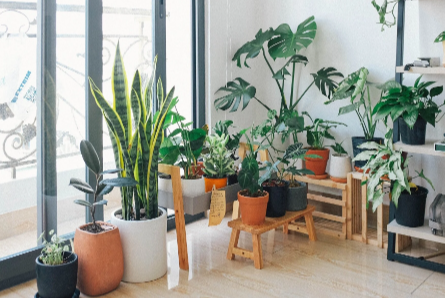
The home decor world, like fashion, is constantly evolving, and artificial plants are embracing this trend. Oversized plants are currently popular, with large palms and monstera varieties creating bold, eye-catching centerpieces and exotic atmospheres. Designers are also experimenting with unexpected placements, incorporating faux greenery on walls, ceilings, and even within furniture to add dimension and playfulness.
Attention is being given to textures and containers, with matte pots and macrame hangers complementing bohemian and Scandinavian-inspired spaces. Technological innovations are emerging as well, with some artificial plants featuring integrated LED lighting, allowing them to function as both decorative elements and practical light sources, blending design with functionality.
How to Choose and Style Artificial Plants for Your Living Space
Choosing the right artificial plants for your home requires attention to your space’s theme, color palette, and scale to ensure they enhance rather than dominate the room. High-quality materials and realistic designs are essential for a natural appearance. Styling involves mixing various types and sizes to create depth while considering their interaction with existing furniture and artwork.
Placement is crucial, as even attractive plants can look awkward if poorly positioned. Regular dusting or occasional light washing keeps them looking fresh. Exploring different light conditions can enhance their realism. Creating themed vignettes, such as tropical corners or succulent displays, adds personality and a sense of escapism to your decor.
Altogether, the trend of incorporating artificial plants into home decor reflects a broader shift towards convenience, variety, and the clever mimicry of nature’s beauty. Whether used as a statement piece or a subtle accent, these low-maintenance additions offer endless possibilities for personalizing and enriching any living space.