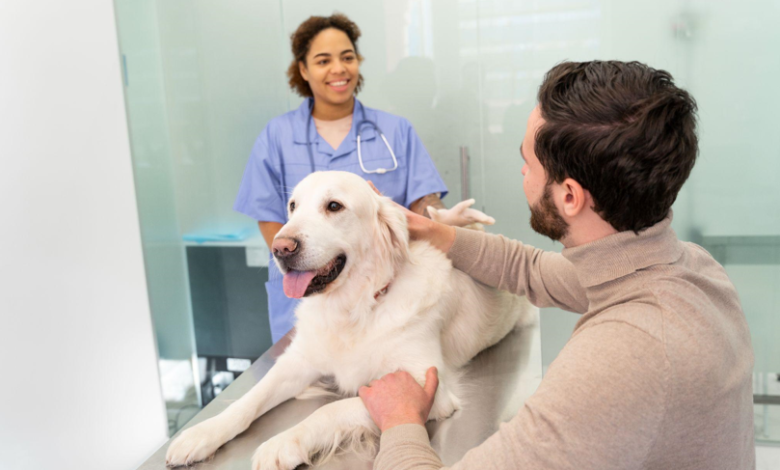
Pets are beloved members of our families, and ensuring their health and safety is a top priority. While external injuries are often easy to spot, internal injuries can be more subtle and harder to detect. Veterinary imaging has become an essential tool for pet owners and veterinarians alike, providing a safe and non-invasive way to identify internal problems before they become severe. This blog explores how pet imaging and radiology treatment play a critical role in safeguarding pets’ health.
Understanding Veterinary Imaging
Veterinary imaging encompasses a range of diagnostic techniques that allow veterinarians to see inside a pet’s body without the need for invasive surgery. Common imaging methods include X-rays, ultrasound, CT scans, and MRI. These tools enable veterinarians to detect fractures, organ damage, tumors, and other hidden health issues that might not be immediately visible during a physical examination.
X-rays are one of the most commonly used imaging techniques. They provide detailed images of bones and certain soft tissues, making them particularly useful for diagnosing fractures or detecting foreign objects a pet may have ingested. Ultrasound, on the other hand, uses sound waves to create images of soft tissues, such as the heart, liver, and kidneys. This method is ideal for assessing internal organs and identifying abnormalities like cysts, tumors, or fluid accumulation.


Benefits of Pet Imaging
The advantages of veterinary imaging are numerous. First and foremost, it is safe. Modern imaging techniques use minimal radiation and non-invasive methods, ensuring pets experience little to no discomfort. Imaging also provides rapid and accurate results, allowing veterinarians to make informed decisions about treatment plans.
Another key benefit is early detection. Internal injuries and illnesses often progress silently, showing few outward signs until the condition becomes serious. With regular pet imaging, veterinarians can identify issues early, increasing the chances of successful treatment and reducing the risk of complications. For instance, detecting a minor liver lesion early through ultrasound can prevent more severe liver disease down the line.
Additionally, imaging supports personalized care. Every pet is unique, and pet radiology treatment allows veterinarians to tailor interventions based on precise diagnostic information. This approach ensures that pets receive the most appropriate and effective care while minimizing unnecessary procedures or medications.
Common Situations Requiring Veterinary Imaging
Several situations may require veterinary imaging. Trauma from accidents, falls, or fights can lead to internal injuries that are not immediately visible. In such cases, X-rays and ultrasounds help assess the extent of damage to bones, organs, and blood vessels. Pets with chronic conditions such as heart disease, kidney disease, or respiratory issues may also benefit from periodic imaging to monitor progression and adjust treatments as needed.
Older pets often face age-related health challenges, including arthritis, tumors, and organ degeneration. Regular pet imaging helps veterinarians track these conditions, providing guidance for both preventive care and treatment adjustments. Even routine wellness checkups can benefit from imaging, particularly for breeds prone to specific health issues.
How Pet Radiology Treatment Works
Pet radiology treatment refers to the use of imaging findings to guide medical interventions. After an injury or illness is detected, veterinarians develop a treatment plan based on the imaging results. For example, if an X-ray reveals a fractured bone, a surgical procedure or cast may be recommended. If an ultrasound identifies a tumor, the veterinarian can plan a targeted surgery or medical therapy.
The process is precise and data-driven. Imaging provides a visual roadmap for veterinarians, reducing the risk of errors and improving the effectiveness of treatments. It also allows pet owners to better understand their pet’s condition, fostering informed decision-making and peace of mind.
Safety Considerations in Veterinary Imaging
Safety is a top concern when it comes to veterinary imaging. Modern veterinary clinics employ strict protocols to minimize exposure to radiation and ensure the comfort of pets during procedures. Sedation or mild anesthesia may be used in some cases to keep pets calm and still, particularly for complex imaging procedures like CT scans or MRI. Veterinarians carefully weigh the benefits of imaging against any potential risks, ensuring that every procedure is justified and performed with the pet’s well-being in mind.
See also: The Performance Plate: Healthy Snacking Secrets for Competitive Gamers
The Role of Advanced Technology
The advancement of technology has transformed pet imaging. Digital X-rays, high-resolution ultrasound, and advanced CT and MRI scanners provide unparalleled detail and clarity. These tools enable veterinarians to detect even subtle changes in tissue or bone structure, allowing for early intervention and better outcomes.
Moreover, technology facilitates faster diagnosis. Digital imaging allows images to be reviewed instantly, meaning critical conditions can be addressed without delay. In emergency situations, this rapid assessment can be life-saving, helping veterinarians make timely decisions for trauma cases or sudden illness.
Preparing Your Pet for Imaging
Preparation for veterinary imaging is straightforward but essential for accurate results. Pets may need to fast for a few hours before certain procedures, particularly an ultrasound, to ensure a clear view of the organs. Owners should follow their veterinarian’s instructions carefully regarding food, water, and medication. Providing a calm and reassuring environment also helps reduce stress, making the imaging process smoother for both pets and veterinarians.
Aftercare and Follow-Up
After imaging and any resulting radiology treatment, proper aftercare is critical. Veterinarians provide detailed instructions regarding wound care, medication, and activity restrictions. Follow-up imaging may be recommended to monitor healing or track the progress of treatment. Regular checkups and preventive imaging contribute to long-term health, helping pets maintain quality of life and avoid complications.
Educating Pet Owners
Veterinary imaging also plays an educational role. By showing pet owners detailed images of internal structures, veterinarians can explain conditions, treatment options, and preventive measures more effectively. This transparency strengthens the bond between pet owners and veterinarians, encouraging active participation in their pet’s healthcare journey.
Conclusion
Veterinary imaging is a powerful and safe tool for detecting internal injuries and guiding effective pet radiology treatment. By allowing veterinarians to see inside a pet’s body, it supports early detection, accurate diagnosis, and personalized care. Imaging not only saves lives but also enhances the overall health and well-being of pets, providing peace of mind for pet owners. Regular imaging and checkups are key to maintaining a long, healthy, and happy life for every pet.
Companion Veterinary Clinic offers comprehensive veterinary services, including advanced diagnostic imaging, surgery, dental care, vaccinations, and preventive wellness programs. Their skilled veterinarians ensure your pet receives compassionate, accurate, and timely care across Dubai, Sharjah, and Ajman, with additional options for home visits and emergency support.