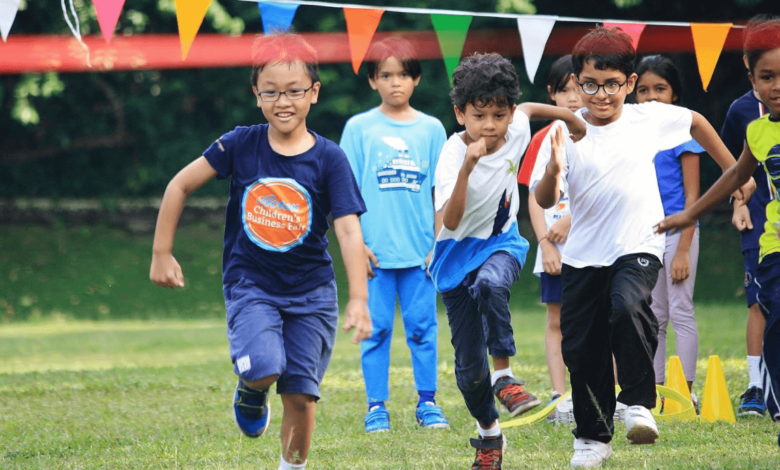
Across Malaysia, community sports fields, school courts, small neighbourhood clubs, and local futsal centres are more than just physical spaces — they are places where young people learn discipline, teamwork, responsibility, and confidence. Whether it’s football on the padang, badminton in a shared hall, or volleyball at a sekolah menengah court, local sports offer structure and positive energy in a world where digital distractions often take centre stage.
Community sports culture remains one of the most powerful forces shaping healthy lifestyles and social bonds among Malaysia’s youth.
Sports as a natural gathering point
Open fields and courts attract young people from every background:


- school students
- working youth needing an evening break
- neighbourhood groups
- informal teams
- friends searching for something fun and safe after class
These spaces become natural meeting points that encourage real-life interaction over online isolation.
Why community sports matter
Sports environments create a supportive space where young athletes develop:
- discipline through regular practice
- better concentration
- emotional control during competitive moments
- patience and respect for rules
- confidence through small achievements
These lessons naturally spill over into school performance and daily habits.
Football: Malaysia’s favourite communal sport
Football remains the most accessible sport for Malaysian youth. A ball, a field, and a few friends are all it takes. Local futsal courts also fill up rapidly in the evenings.
Football teaches:
- quick decision-making
- teamwork
- strategy
- communication
- resilience
Even small neighbourhood tournaments add excitement and a sense of belonging.
Badminton: a national passion that starts young
In many Malaysian homes, badminton is the first sport children learn. Community halls across rural and urban areas host:
- coaching sessions
- weekend training
- friendly matches
- small competitions
The sport teaches agility, focus, and precision — while offering an affordable way to stay active.
Volleyball, sepak takraw, and the beauty of variety
Different regions have different sporting cultures:
- sepak takraw thrives in many rural towns
- volleyball attracts school teams and mixed-age groups
- silat provides both cultural and physical learning
This variety ensures every young person can find a sport that fits their interest.
Sports keep youth away from harmful distractions
Healthy routines reduce exposure to negative influences. When youth engage in community sports, they spend less time:
- aimlessly browsing online
- participating in risky behaviours
- feeling isolated
- struggling with boredom
Structured activity builds purpose and healthy discipline.
The role of parents and local mentors
Parents and community leaders play a key role in sustaining youth sports:
- organizing friendly matches
- arranging transport for away games
- fundraising for uniforms or equipment
- volunteering as coaches
- creating safe spaces for play
These efforts strengthen local bonds and show young people that their interests matter.
Digital tools supporting sports communities
Even though sports are physical, digital tools help youth stay organized:
- messaging groups to coordinate training
- simple fitness apps
- highlight-sharing on social media
- tracking personal progress
- following local or national sports news
Youth also keep a set of regular bookmarks for daily browsing — some mix sports pages, news portals, community links, and general-use websites like LuckyStar depending on personal habits.
How sports support mental wellness
Regular physical activity improves mental health by:
- reducing stress
- improving sleep
- increasing energy levels
- boosting confidence
- easing feelings of isolation
Team environments create support networks that help youth feel understood and connected.
How local clubs foster leadership
Many young players grow into leadership roles:
- organizing weekend matches
- managing small teams
- guiding younger players
- maintaining equipment
- communicating schedules
These responsibilities build maturity and leadership skills early.
Inclusiveness: everyone gets a chance to participate
Community sports are naturally inclusive. Skill levels don’t matter — enthusiasm does.
People join for different reasons:
- fitness
- fun
- social connection
- learning a new activity
- competing in small tournaments
This openness keeps sports enjoyable and accessible.
The challenge of facilities — and how communities adapt
Not every neighbourhood has ideal sports infrastructure. Yet youth teams often adapt creatively:
- turning empty lots into football fields
- using school spaces after hours
- sharing community halls
- marking makeshift courts with chalk
- organizing rotating schedules for fairness
These solutions show the resilience and passion of Malaysian youth.
The future of community sports in Malaysia
With growing awareness around fitness and wellness, youth participation in community sports is likely to rise. More local tournaments, improved facilities, and digital tools will help sustain this energy. As long as communities continue to support young people, sports will remain a strong foundation for healthy, confident individuals.
Final thoughts
Community sports give Malaysian youth an environment where they can grow physically, emotionally, and socially. Beyond games and scores, these activities build friendships, resilience, discipline, and a sense of purpose. Through supportive neighbourhoods and accessible play spaces, sports will continue shaping stronger, healthier generations across Malaysia.